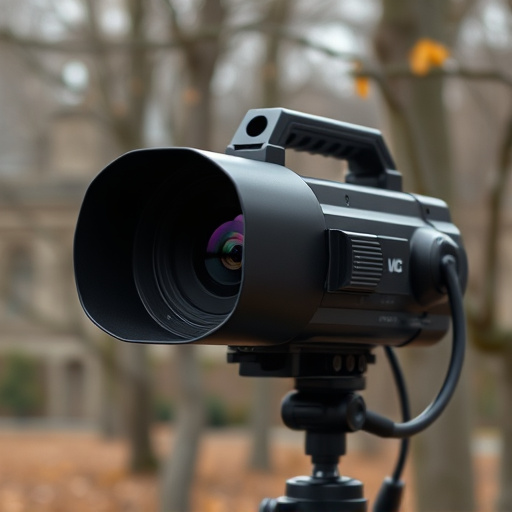
The rise of spy cameras with cloud storage has privacy advocates and law enforcement on edge. Security experts use data transfer patterns and device signatures to detect these hidden devices, which can be difficult to identify due to their advanced features. Digital forensics helps uncover recordings and metadata, while proactive checks and inspections safeguard personal spaces. Legal debates rage over data protection and consent as legislative updates strive to protect privacy against this evolving threat.
Unveiling hidden cameras in our digital age is a growing concern, especially with spy cameras employing cloud storage for covert data transmission. This article delves into innovative methods of identifying these concealed devices. We explore ‘Lights as Indicators’, detailing how lighting patterns can signal a spy camera’s presence. Digital forensics plays a pivotal role in analyzing captured data, while practical tips on preventing surveillance empower individuals to secure their personal spaces. Additionally, we examine the legal implications of hidden camera cases, shedding light on the importance of awareness and technological advancements in combating this modern-day privacy threat.
- Unveiling Hidden Cameras: The Cloud Storage Trace
- Lights as Indicators: Spy Camera Detection Method
- Digital Forensics: Analyzing Spy Cam Data
- Preventing Surveillance: Securing Your Personal Spaces
- Legal Implications: Investigating Hidden Camera Cases
Unveiling Hidden Cameras: The Cloud Storage Trace
In recent years, the rise of hidden cameras disguised as everyday objects has become a growing concern for privacy advocates and law enforcement alike. One of the most insidious forms is the spy camera with cloud storage, designed to capture and transmit footage discreetly, often undetected. This advanced technology raises critical questions about data security and privacy in our increasingly connected world.
The trail left by these clandestine devices can be traced back to cloud storage accounts, where captured videos are often automatically uploaded for remote access or backup. Investigators can now follow this digital footprint to uncover the presence of hidden cameras, especially in public spaces like offices, hotels, and homes. By analyzing patterns of data transfer and identifying unique device signatures, security experts are developing sophisticated methods to detect and dismantle these covert surveillance networks, ensuring a safer digital environment for all users.
Lights as Indicators: Spy Camera Detection Method
In the ever-evolving landscape of surveillance technology, lights can serve as subtle yet powerful indicators for identifying hidden spy cameras. The method involves analyzing patterns and anomalies in lighting conditions that might suggest the presence of covert recording devices. For instance, sudden fluctuations in brightness or unusual light reflections could point to a camera’s lens being aimed at a particular area. This approach leverages the fact that many spy cameras, especially those with cloud storage capabilities, often operate discreetly but leave behind visual clues if scrutinized closely.
By employing advanced image processing techniques and machine learning algorithms, researchers can train systems to recognize these lighting peculiarities. Such technology enables authorities or privacy-conscious individuals to proactively search for and neutralize hidden cameras, making it a valuable tool in the fight against invasive surveillance. This strategy is particularly relevant when dealing with sophisticated spy cameras designed to evade detection, as their use of cloud storage further complicates traditional identification methods.
Digital Forensics: Analyzing Spy Cam Data
Digital forensics plays a pivotal role in identifying and analyzing data from hidden or disguised cameras, such as those equipped with cloud storage. Experts in this field employ advanced techniques to extract and examine digital evidence, uncovering the presence of spy cameras in unexpected places. By delving into the camera’s metadata, image and video files can reveal unique signatures and patterns that help in their detection.
In the case of spy cameras with cloud storage, forensics investigators must navigate the intricate landscape of data backup and synchronization. They carefully extract and analyze these hidden recordings to identify potential privacy breaches or malicious activities. This process involves sophisticated tools and methodologies designed to preserve integrity and ensure the admissibility of digital evidence in legal proceedings.
Preventing Surveillance: Securing Your Personal Spaces
Surveillance cameras have become increasingly sophisticated, with many hidden devices now available that can be difficult to detect. To combat this growing concern, individuals must take proactive steps to secure their personal spaces from unwanted observation. One effective method is to perform regular checks for potential spy cameras, especially in areas like homes and offices where privacy is paramount.
By being vigilant and utilizing tools such as hidden camera detectors or professional inspections, one can identify and prevent the installation of devices like spy cameras with cloud storage. This proactive approach ensures that individuals maintain control over their private moments, keeping personal spaces free from covert surveillance.
Legal Implications: Investigating Hidden Camera Cases
In recent years, hidden camera cases have sparked significant legal debates due to the increasing prevalence of spy cameras equipped with cloud storage capabilities. The ease of secretly recording and storing footage online has led to a surge in privacy breaches, raising concerns among individuals and organizations alike. When these surveillance devices are discovered, legal implications arise, especially regarding data protection and consent.
Investigators face challenges when dealing with hidden cameras as they often involve complex digital forensics. The cloud storage aspect adds another layer of complexity, as footage can be remotely accessed or deleted, making it harder to secure evidence. This has prompted legislative updates to address the evolving threat of spy cameras, emphasizing the need for stricter regulations on data collection and storage practices to safeguard personal privacy.
The hidden nature of spy cameras, often disguised as everyday objects, poses a significant challenge. This article has explored various techniques, from cloud storage traces to lights-based indicators and digital forensics, offering valuable insights into detecting these clandestine devices. By understanding the technology involved, we can take proactive measures to secure our personal spaces and be aware of potential legal implications related to hidden camera cases. Staying informed is key to protecting privacy in an era where spy cameras with cloud storage capabilities raise important concerns.